Source Class II Orthopaedic Oscillating Saw for Burns, Urology, Orthopedic
Find 30 class ii orthopaedic oscillating saw options for burns, urology, and orthopedic applications. Compare specifications like speed, torque, and certifications from verified manufacturers in China with MOQs starting at 1 piece.
Key considerations
Products List


Comprehensive Sourcing Guide
Strategic Sourcing Guide for Class II Orthopaedic Oscillating Saw Equipment
Understanding the Technical Landscape of Orthopaedic Sawing Systems
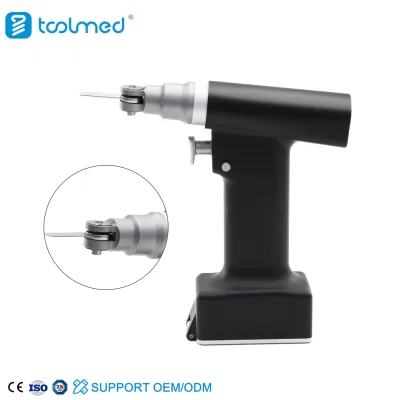
The procurement of a Class II orthopaedic oscillating saw requires a precise understanding of the device's mechanical and electrical architecture, as these tools are critical for bone cutting in surgical environments. Based on available product data, the core unit is often identified by specific model numbers such as NS1511, M-25, M-07, M-12, M-13, and NS-1011. These models represent a spectrum of surgical instruments designed for applications ranging from general orthopaedics to specialized procedures in anorectal and urology fields. The fundamental distinction in this category lies in the saw type; the oscillating saw is specifically engineered for controlled, back-and-forth blade motion, which minimizes the risk of thermal necrosis and soft tissue damage compared to reciprocating alternatives.
Technical specifications provided in the market indicate that these devices operate with a rated voltage of 220V/50Hz for mains-powered units, while portable variants may utilize a working voltage of 14.4V, suggesting battery-operated capabilities for greater surgical flexibility. The rotational speed is a critical performance metric, with observed ranges between 16,000rpm and 18,000rpm. This high-speed oscillation is essential for achieving clean cuts through dense cortical bone. Furthermore, the torque output is specified at 750gcm, a figure that buyers must verify against the specific bone density and surgical site requirements of their procedures. The noise level is recorded at 63dB, a factor that contributes to the overall operating environment and surgeon comfort during prolonged use. The physical construction typically involves steel materials, ensuring the durability required for repeated sterilization cycles, and the devices are often available in black or silver finishes.
Regulatory Compliance and Certification Verification
For any Class II medical device, regulatory compliance is not merely a formality but a fundamental prerequisite for market entry and clinical safety. The sourcing landscape for these oscillating saws indicates a heavy emphasis on international quality standards. Buyers must verify that the equipment carries certifications such as CE and ISO13485, which are explicitly mentioned in product attributes. The ISO13485 standard is particularly significant as it specifically addresses quality management systems for medical devices, ensuring that the manufacturing process maintains rigorous control over design, production, and distribution.
In addition to CE and ISO13485, the presence of TUV certification is noted in the product data, providing an additional layer of third-party validation regarding safety and performance. The regulatory classification is consistently listed as "Type: Saw" or "Type: Awl," confirming the device's intended medical use. While the FDA is also listed as a certification in the general product attributes, buyers must exercise caution and confirm the specific regulatory pathway for their target market, as FDA clearance requirements can vary significantly by region. The "Medical Device Regulatory Type" field serves as a primary indicator of the device's legal standing, and procurement teams should ensure that the specific model being purchased aligns with the local regulatory body's classification for Class II devices. It is imperative to request current, valid certificates for the specific serial number or batch being procured, as certifications can be model-specific and subject to renewal.
Cost Drivers and Pricing Structure Analysis
The pricing for orthopaedic oscillating saws in the current market exhibits a wide variance, with observed ranges spanning from $5 to $5,399 USD. This broad spectrum is not indicative of a single product tier but rather reflects the diversity of the supply chain, which includes everything from individual replacement blades or small components to complete surgical systems. The lower end of the price range likely corresponds to consumable parts, such as blades or specific attachments, while the higher end represents the full surgical unit, potentially including the motor, battery, and specialized packaging.
Several factors drive these costs. The complexity of the manufacturing process, specifically the use of CNC machining, adds value to the final product by ensuring high precision and repeatability. The inclusion of OEM (Original Equipment Manufacturer) services allows for customization, which can influence the final price based on branding and specific feature requests. Additionally, the packaging method plays a role; products are often packed individually in aluminium boxes and then consolidated into cartons, a process that adds material and labor costs but ensures the sterile and secure transport of sensitive surgical instruments. Buyers should also consider the MOQ (Minimum Order Quantity), which is observed to be as low as 1 piece, allowing for flexible procurement strategies that do not require large upfront inventory commitments. The transportation methods, including FedEx, DHL, TNT, and EMS, also contribute to the total landed cost, particularly for international orders where shipping fees can be substantial.
Typical Clinical Applications and Surgical Utility
The versatility of the Class II orthopaedic oscillating saw is evident in its diverse application profile. While the primary designation is "Orthopedic," the product data reveals a broader utility that includes anorectal and urology procedures. This multi-disciplinary capability makes the device a valuable asset for hospitals and surgical centers that require a single platform for various bone-cutting needs. The saw is also noted for its suitability in burns and microsurgery, indicating a level of precision and control that extends beyond standard orthopaedic trauma or joint replacement surgeries.
The "Reusable" attribute is a key feature that distinguishes these instruments from disposable alternatives. This characteristic supports a sustainable procurement model, where the initial investment in the steel-bodied device is amortized over multiple surgical procedures. The "Autoclavable Type" designation confirms that the saw is designed to withstand high-temperature sterilization, a non-negotiable requirement for any instrument entering the sterile field. The specific application in anorectal and urology suggests that the saw's design accommodates confined surgical spaces, requiring a compact form factor and precise handling. For orthopaedic surgeons, the tool is essential for osteotomies, bone resection, and fracture reduction, where the oscillating motion provides a safer cutting mechanism than continuous rotation.
Supplier Evaluation and Operational Capabilities
When evaluating potential suppliers for these medical devices, buyers must look beyond the product specifications to assess the supplier's operational maturity. The presence of OEM acceptance indicates that suppliers are willing to collaborate on branding and customization, which is a positive sign of a flexible and customer-centric manufacturing partner. The production process relies on CNC machines, suggesting a high degree of automation and precision in the manufacturing facility.
Lead time is a critical operational metric, with observed delivery times ranging from "Within 7 Working Days" to "Within 7 Days." This rapid turnaround suggests a responsive supply chain, which is vital for surgical departments that may need to replace equipment quickly or scale up for specific surgical campaigns. The origin of the products is consistently listed as China (Mainland), a major manufacturing hub for medical devices. Buyers should verify the specific factory location and audit the facility to ensure it meets international quality standards. The availability of customized packaging services further demonstrates the supplier's ability to tailor logistics to the buyer's specific needs, whether for hospital distribution or direct-to-consumer sales.
Quality Control and Long-Term Procurement Strategy
Ensuring the long-term reliability of the orthopaedic oscillating saw requires a robust quality control strategy. The "Reusable" nature of the device means that it will undergo repeated cycles of sterilization and use. Buyers must verify the material integrity of the steel components and the durability of the electrical connections. The standard of "One Set/Carton" and the specific packing of "Each Set Packed in Aluminium Box" are indicators of careful handling protocols, but these should be supplemented with internal quality checks upon receipt.
For long-term procurement, the availability of spare parts and the consistency of the model lineup are essential. The existence of multiple model numbers (M-07, M-12, M-13, NS-1011, etc.) suggests a modular system where components might be interchangeable or upgradeable. Buyers should inquire about the lifecycle of these models to avoid obsolescence issues. The "Customization" attribute offers an opportunity to align the device with specific hospital protocols or surgeon preferences, which can enhance adoption and satisfaction. Finally, the transportation options provided, including major carriers like DHL and UPS, ensure that the supply chain remains resilient. By focusing on these operational and quality aspects, buyers can secure a reliable supply of Class II orthopaedic oscillating saws that meet the rigorous demands of modern surgical practice.
Comparative Analysis of Key Product Attributes
To facilitate a clearer decision-making process, the following table summarizes the key attributes observed across the various models and product listings. This comparison highlights the commonalities and variations that buyers should consider when selecting the appropriate unit for their specific needs.
| Attribute | Observed Value / Range | Relevance to Procurement |
|---|---|---|
| Product Name | Oscillating Saw, Small Oscillating Saw, Reciprocating Saw | Defines the primary cutting mechanism and intended use. |
| Model Numbers | NS1511, M-25, M-07, M-12, M-13, NS-1011 | Identifies specific configurations and compatibility. |
| Certifications | FDA, ISOCE, CE, ISO13485, TUV | Essential for regulatory compliance and safety validation. |
| Material | Steel | Indicates durability and suitability for sterilization. |
| Application | Orthopedic, Anorectal, Urology, Burns, Microsurgery | Determines the clinical scope and versatility. |
| Speed | 16,000rpm - 18,000rpm | Critical for cutting efficiency and bone quality. |
| Torque | 750gcm | Affects performance in dense bone cutting. |
| Voltage | 220V/50Hz or 14.4V | Determines power source requirements (mains vs. battery). |
| Noise Level | 63dB | Impacts operating environment and surgeon comfort. |
| MOQ | 1 Piece | Allows for low-risk initial procurement. |
| Lead Time | Within 7 Days | Indicates supply chain responsiveness. |
| Packaging | Aluminium Box in Carton, PE Film | Ensures protection during transit and storage. |
This structured approach to sourcing ensures that buyers can navigate the complexities of the Class II orthopaedic oscillating saw market with confidence, relying on verified data rather than unconfirmed claims. By prioritizing regulatory compliance, technical specifications, and supplier reliability, procurement teams can secure equipment that enhances surgical outcomes and operational efficiency.
FAQs
What certifications are required for class ii orthopaedic oscillating saws?
These devices typically require CE, ISO13485, and TUV certifications for regulatory compliance. Some listings also mention FDA and ISOCE, but buyers must verify specific pathway validity for their target market before procurement.
Can the class ii orthopaedic oscillating saw be customized for branding?
Yes, OEM services and customization are accepted for these surgical instruments. Buyers can request tailored branding and specific feature adjustments to align with hospital protocols or surgeon preferences.
How fast does the class ii orthopaedic oscillating saw operate?
The rotational speed ranges between 16,000rpm and 18,000rpm for efficient bone cutting. This high-speed oscillation is essential for achieving clean cuts through dense cortical bone during surgical procedures.
What is the minimum order quantity for class ii orthopaedic oscillating saws?
The minimum order quantity is as low as one piece for most models. This low MOQ allows for flexible procurement strategies without requiring large upfront inventory commitments from the buyer.
Which materials are used to construct the class ii orthopaedic oscillating saw?
The devices are constructed from steel to ensure durability and withstand repeated sterilization cycles. This material choice supports the reusable nature of the instrument in clinical environments.
How long is the delivery time for class ii orthopaedic oscillating saws?
Delivery times are typically within 7 working days or 7 days depending on the supplier. This rapid turnaround indicates a responsive supply chain capable of meeting urgent surgical department needs.
What applications does the class ii orthopaedic oscillating saw support?
Primary applications include orthopedic surgery, anorectal procedures, and urology. The device is also suitable for burns and microsurgery, offering versatility across multiple surgical disciplines.